

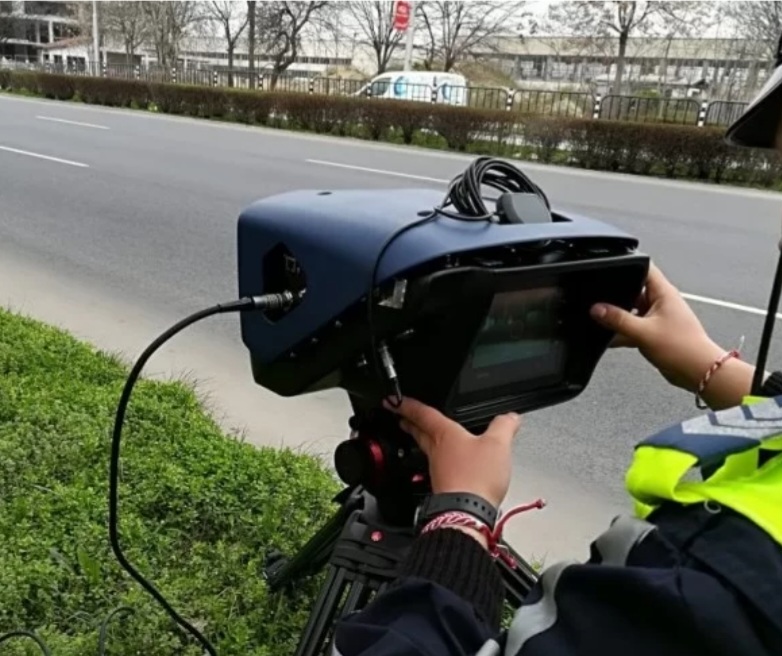
Every active driver in Bulgaria sooner or later faces the unpleasant surprise of receiving an electronic fine from the Traffic Police (KAT) – most often for speeding captured by a fixed or mobile camera, or for lacking compulsory third-party motor liability ("Civil Liability") insurance. Most people's first reaction is simply to pay the fine to "save themselves the headache".
The truth, however, is that a massive share of electronic fines in Bulgaria are cancelled in full by the courts as unlawful. The reason is not that the driver did not exceed the speed limit, but that the Ministry of Interior (МВР) routinely makes significant procedural and technical errors when issuing the fines. As a citizen, you have every right to check whether the law has been complied with in your case.
In this comprehensive guide we look at your rights, the critically short deadlines for responding and the most common KAT omissions that lead to the fine being cancelled in court.
What is an electronic fine and how does it differ from a Statement of Offence (АУАН)?
Unlike the traditional Statement Establishing an Administrative Offence (АУАН), an electronic fine is issued in the absence of the offender and in the absence of an enforcement officer. It is generated on the basis of data from automated technical devices and systems (cameras, radars).
The main features of the electronic fine are: * It is issued in the name of the vehicle's owner (or the registered user). If the vehicle is a company car, the manager is required to complete a declaration stating who was driving. This often causes problems after a recent transfer of company shares in an OOD (limited liability company), when the former manager or an employee no longer has anything to do with the company but the car is still registered to it. * It imposes only and exclusively a monetary fine. * IMPORTANT FOR DRIVERS: By law, an electronic fine does NOT deduct penalty points and does NOT result in the driving licence being taken away. Even if the speed limit is exceeded by more than 50 km/h in a built-up area (which by law requires disqualification from driving), if the offence was recorded by a camera and an electronic fine was issued, KAT can only impose a triple fine but has no right to take your licence with that fine.
Deadlines on receiving an electronic fine: Why time is critical
From the moment the electronic fine is served on you personally (in person at KAT, by a process server, by post with a return receipt or via an electronic system), three parallel and extremely important deadlines begin to run:
| Action / Option | Deadline | What you gain / What happens? |
|---|---|---|
| Payment at a discount | 14 days from service | You may pay only 70% of the amount of the fine (a 30% discount). Payment within this period blocks the right to a later appeal. |
| Transferring the fine | 14 days from service | If someone else was driving the car, you submit a written declaration to KAT with the driver's details. KAT cancels your fine and issues a new one to the actual offender. |
| Appeal to the court | 14 days from service | A written appeal is filed against the fine. The deadline is preclusive – miss it by even a day and the fine becomes final. |
The most common grounds on which the courts cancel electronic fines
Case law in Bulgaria is extensive and shows that KAT regularly breaches the requirements of the Road Traffic Act (ЗДвП) and the Administrative Violations and Sanctions Act (ЗАНН). Here are the five most common reasons why an electronic fine "falls" in court:
1. Missing mandatory particulars (Art. 189(4) of the Road Traffic Act)
The electronic fine must contain precisely defined information: the place, the date and the exact time of the offence, the vehicle's registration number, the owner, a description of the offence, the amount of the fine and the exact model and serial number of the technical device (the camera). The absence of even one of these elements makes the fine unlawful.
2. Discrepancy as to the place of the offence
Often the text of the fine states one location (for example: "ГП-1 km 350"), while the attached photo and its GPS coordinates show that the camera was located somewhere completely different or outside the range of the speed-limit sign cited. This is considered a material breach that infringes your right of defence.
3. Expired metrological inspection of the camera
All KAT radars and cameras are measuring instruments and by law are subject to mandatory periodic metrological inspection (usually once a year) by the Bulgarian Institute of Metrology. If the inspection had expired on the date you were recorded, the court cancels the fine, since the device was not technically certified to measure speed.
4. Incorrect determination of the speed limit
KAT often imposes fines based on the "general limit" for a road outside built-up areas (90 km/h), but the sign actually placed on the road introduces a different limit (e.g. 60 km/h because of roadworks), or vice versa. If KAT fails to prove in court, by means of the so-called "Traffic Management Scheme", that the relevant road sign was actually in place on that day, the fine is cancelled.
5. Limitation periods
The state has a limited time in which it can penalise you. Under the Administrative Violations and Sanctions Act, a fine cannot be issued if more than 3 months have passed since the offender was identified or more than 1 year since the offence itself. There is also an absolute limitation period for enforcing the penalty (usually four and a half years), after which the fine cannot be collected in any way.
How does the appeal procedure work, step by step?
The process is entirely document-based and does not require complex action on your part if it is properly prepared:
- Drafting the Appeal: It describes in detail all the legal and technical defects of the electronic fine.
- Filing the appeal: The appeal is filed THROUGH the authority that issued the fine (the relevant Regional Directorate of the Ministry of Interior / KAT), not directly with the court. KAT is required within 7 days to forward your appeal, together with the entire administrative file (including the camera photo and the device certificates), to the District Court for the place of the offence.
- Court proceedings: The District Court schedules a hearing. The arguments are heard, KAT's documents are examined and the court delivers a decision by which it may cancel the fine entirely, confirm it or reduce the amount of the fine. This decision is subject to further cassation appeal before the Administrative Court.
How much does a case against KAT cost?
One of the biggest advantages for citizens appealing fines is the financial framework: * NO state fee is payable for filing an appeal against an electronic fine. The procedure before the District Court is completely free of court fees for you. * Reimbursement of costs: Under the latest amendments to Bulgarian legislation, if you win the case and the court cancels the electronic fine, the Ministry of Interior (KAT) must reimburse in full the lawyer's fee you paid.
Note: The only risk is if the case is lost – the court may then order you to pay the Ministry of Interior's in-house legal counsel fee (usually a minimum of between BGN 80 and 150). This is why a preliminary analysis of the fine by a specialist is so important.
Frequently Asked Questions (FAQ)
Can I renew my driving licence if I have unpaid fines?
The Ministry of Interior frequently refuses to issue or renew a driving licence, or to return a confiscated licence, if you have final unpaid fines. It is important to know that an electronic fine appealed within the deadline has NOT become final. While the court case is pending, KAT has no right to treat you as a person with a final penalty and no right to refuse you administrative services on that ground.
What happens if I simply ignore the electronic fine and do not collect it?
In the past KAT had difficulty serving fines, but today the legislation has been significantly tightened. Fines are served during routine roadside checks, electronically, when you visit KAT for any service, or through the municipalities. In addition, the state applies a so-called "presumption of service" in certain situations. Ignoring the fine does not solve the problem – it simply deprives you of the opportunity to defend yourself within the 14-day deadline.
Why is professional help from a lawyer the key to success?
Every KAT case has its own specifics. To have a fine cancelled in court, it is not enough simply to download a template from the internet and write that you "disagree". It is necessary to request and carefully analyse patrol work schedules, records of use of the automated systems, the weather conditions on the day and whether the camera software was up to date. An experienced lawyer knows how to spot administrative errors that are "invisible" to a layperson.
Mechkova & Dimitrova Law Firm will analyse your electronic fine in detail to assess the real chances of having it cancelled in full by the court, saving you from unjustified financial penalties and unlawful pressure from the authorities.
Do not let yourself be fined unlawfully for lack of legal preparation. Contact us for an initial consultation and we will take on your defence against KAT decisions quickly, professionally and effectively.