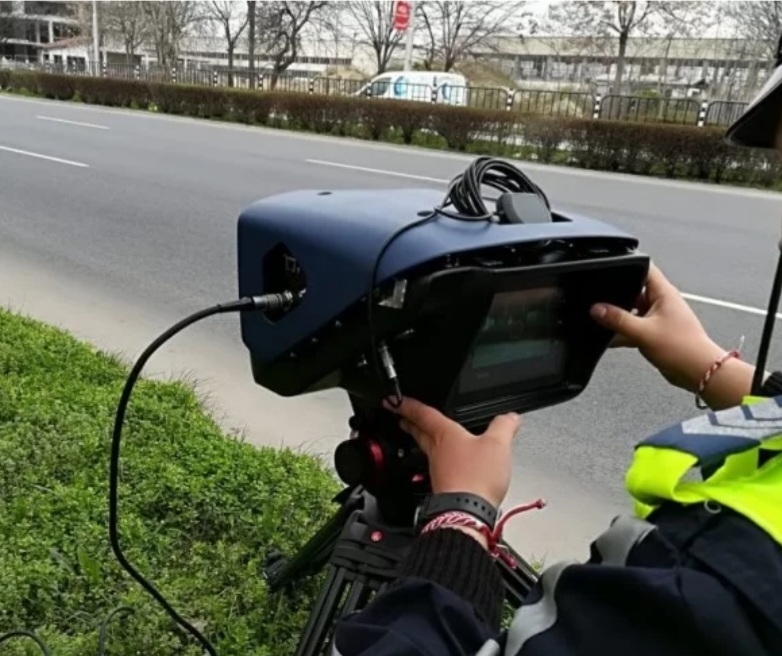
Appealing municipal fines starts with a question most people skip: what exactly has been imposed on you? A fine for noise or for uncleared waste, a car taken away by a tow truck (the "паяк", or "spider"), a clamp on your wheel and an unpaid hour in the blue zone all look like "sanctions from the municipality", but legally they are different things. Each of them is challenged under a different law, before a different court and within a different deadline.
In this guide we divide municipal sanctions into groups and explain when the Administrative Violations and Sanctions Act (ЗАНН) applies, when the Road Traffic Act (ЗДвП) and the Administrative Procedure Code (АПК) apply, and what can actually be challenged. You will also find a comparative table of deadlines, because here a missed day usually means a lost right.
What sanctions the municipality imposes and why the difference matters
The municipality acts in several different capacities, and this determines the route of appeal:
- Administrative penalty liability – a fine for breach of a municipal ordinance (public order, noise, waste, pets, outdoor trading). It is imposed by a statement establishing an administrative offence (АУАН) and a penalty decision (наказателно постановление, НП) under the Administrative Violations and Sanctions Act.
- Coercive administrative measures – towing (forced removal) and clamping (a technical device for forced immobilisation). They are not a penalty but a measure under the Road Traffic Act, and they are challenged under the Administrative Procedure Code before the administrative court.
- Parking charge – the blue and green zones in Sofia are not a fine but payment of a price set by the municipal council.
- Electronic fine – issued mainly by the Ministry of Interior (МВР) for offences captured on camera, and it has its own regime.
From our practice: Clients often come with an appeal addressed "to the municipality" without it being clear which act it is directed against. Before you write anything, establish the type of document (statement of offence, penalty decision, order, record, towing receipt) and the date on which it was served on you. The deadlines run from that date.
Relations with the municipality are not just about fines. When the municipality fails to maintain roads, pavements, manholes or trees and this causes you damage, you can claim compensation from it. We explain how in our article on how to sue the municipality for damage caused by poor infrastructure.
Fines for noise, public order and waste: statement of offence and penalty decision
Breaches of municipal ordinances (in Sofia, the ordinances on public order, on waste management, on keeping pets, etc.) are penalised under the general procedure of the Administrative Violations and Sanctions Act. The procedure has two stages.
Stage 1: Statement establishing an administrative offence (АУАН)
The statement of offence is drawn up by an authorised municipal officer or by a police officer. It does not impose a fine – it only records the offence. Your options at this stage:
- Write your objection in the statement itself when you sign it. Your signature does not mean that you agree with the offence.
- File a written objection within 7 days of signing the statement (Art. 44(1) of the Administrative Violations and Sanctions Act). Indicate the evidence: witnesses, photographs, recordings, documents.
- If the offence is minor, ask for it to be treated as a minor case (Art. 28 of the Administrative Violations and Sanctions Act) – a written warning is then issued instead of a fine.
- A settlement with the penalising authority is also possible (Art. 58d of the Administrative Violations and Sanctions Act). The offender may propose it within 14 days of service of the statement, unless the law excludes it for the specific case.
The penalising authority (usually the mayor or a deputy mayor authorised by the mayor) examines the file and decides within one month (Art. 52(1) of the Administrative Violations and Sanctions Act).
Stage 2: Penalty decision (НП)
The penalty decision is what actually imposes the fine. An appeal against a penalty decision is filed within 14 days of its service (Art. 59(2) of the Administrative Violations and Sanctions Act), through the authority that issued it, to the district court for the area where the offence was committed (Art. 59(1) of the Administrative Violations and Sanctions Act). The district court's decision is subject to cassation appeal before the administrative court (Art. 63c of the Administrative Violations and Sanctions Act).
The most common grounds for annulment we see in practice are:
- an incomplete or unclear description of the offence and of where and when it took place;
- the wrong provision of the ordinance cited, or a discrepancy between the statement of offence and the penalty decision;
- a statement drawn up by an officer without competence;
- missed deadlines for drawing up the statement or issuing the decision (see the section on limitation periods);
- lack of evidence – for example, a noise fine without any measurement having been taken, where the ordinance requires one.
Paying at a discount: 80% of the fine
If you do not want to appeal the fine, the Administrative Violations and Sanctions Act allows you to pay 80 per cent of its amount within 14 days of service of the penalty decision (Art. 79b(1) of the Administrative Violations and Sanctions Act), unless a special law provides for a different reduced amount. On payment, the penalty decision becomes final as regards the fine.
Note: if you have filed an appeal and pay the reduced fine within the same period, the appeal proceedings are terminated in that part (Art. 79b(2) of the Administrative Violations and Sanctions Act). In other words – you either appeal or pay at a discount. The provision has been challenged before the Constitutional Court, so in a disputed case check whether there is a new decision.
Towing and clamping: coercive administrative measures under the Road Traffic Act
Forced removal (towing)
The forced removal of a parked car without the owner's knowledge is a coercive administrative measure under Art. 171(5) of the Road Traffic Act. The law allows removal where the car is parked in breach of the rules at a place marked with a forced-removal sign, where it creates a hazard or obstructs traffic and, under certain conditions, where the parking charge has not been paid. Municipal enforcement services may remove, or order the removal of, improperly parked cars (Art. 167(2)(2) of the Road Traffic Act). The costs of removal and storage are borne by the owner.
Wheel clamp (technical device for forced immobilisation)
A clamp is fitted by the municipality's enforcement services when the parking charge due under Art. 99(3) of the Road Traffic Act has not been paid. The car remains immobilised until the charge and the costs of fitting the clamp have been paid (Art. 167(2)(2) of the Road Traffic Act).
How to get your car back
- Look for a notice at the spot or call the Urban Mobility Centre (Център за градска мобилност, ЦГМ) (in Sofia) to find out where the car has been taken.
- Go to the impound lot with an identity document and the vehicle registration certificate.
- Pay the removal fee and the storage fee (charged for each hour or part of an hour). The amounts are set by the municipal council and are updated – check the current tariff of the Urban Mobility Centre or the ordinance of the municipality concerned.
- Ask for and keep all the documents: the record, the receipt, photographs of the spot. Without them, a challenge is very difficult.
How to challenge it
Measures under Art. 171 of the Road Traffic Act are appealed under the Administrative Procedure Code (Art. 172(5) of the Road Traffic Act) before the administrative court, and the appeal does not suspend enforcement (Art. 172(6) of the Road Traffic Act). The administrative court's decision is final. The deadline under the Administrative Procedure Code is 14 days – from notification of the act (Art. 149(1) of the Administrative Procedure Code) or, if the measure is treated as a physical act of the administration, from when it was carried out (Art. 250 of the Administrative Procedure Code). Case law is not consistent on which procedure applies to towing and clamping without a written order, so act immediately and do not wait for an "official letter".
If the court annuls the measure, the amounts paid can be claimed as damages under the State and Municipalities Liability for Damage Act (ЗОДОВ). The same logic underlies claims in which the municipality is liable for inaction – see, for example, how to claim compensation from the municipality for a stray dog bite.
The blue and green zones in Sofia: is it a fine?
No. Parking in the paid parking zones is a price that the municipal council sets, together with the terms and procedure for paying it (Art. 99(3) of the Road Traffic Act). It is not a tax or a local fee under the Local Taxes and Fees Act, and it is not a fine.
The consequence of non-payment is a coercive measure – a clamp or towing – plus an obligation to pay the charge and the costs. What can be challenged:
- you paid (by text message, mobile app or parking meter), but the payment was not recorded – keep the confirmation;
- the zone was not marked with signs and road markings as the ordinance requires;
- you have a preferential parking card or a disabled parking sticker that was not taken into account;
- the measure was applied outside the zone's operating hours.
Electronic fine or penalty decision?
An electronic fine is issued without a statement of offence, usually for an offence captured by a technical device, and has its own deadlines and challenge procedure. Municipal fines under ordinances almost always go through a statement of offence and a penalty decision. If you have received a camera fine, read our detailed guide to appealing an electronic traffic fine from KAT – the rules there are different.
Comparative table: deadlines and appeal procedure
| Sanction | Legal basis | Deadline | Before whom |
|---|---|---|---|
| Objection to a statement of offence | Art. 44(1) of the Administrative Violations and Sanctions Act | 7 days from signing | The penalising authority |
| Appeal against a penalty decision | Art. 59(2) of the Administrative Violations and Sanctions Act | 14 days from service | District court (through the authority) |
| Cassation appeal against the district court's decision | Art. 63c of the Administrative Violations and Sanctions Act and the Administrative Procedure Code | 14 days from notification | Administrative court |
| Payment of 80% of the fine | Art. 79b of the Administrative Violations and Sanctions Act | 14 days from service of the penalty decision | No court |
| Towing / clamping | Art. 171(5), Art. 167(2) of the Road Traffic Act; Administrative Procedure Code | 14 days | Administrative court (final) |
| Blue / green zone | Art. 99(3) of the Road Traffic Act | – (the measure is challenged) | Administrative court |
Limitation periods: when a fine can no longer be imposed or collected
The Administrative Violations and Sanctions Act contains several different time limits that are often confused:
- Deadline for drawing up the statement of offence – no proceedings are opened if the statement is not drawn up within 3 months of the offender being identified, or if 1 year has passed since the offence was committed (Art. 34(1) of the Administrative Violations and Sanctions Act).
- Deadline for issuing the penalty decision – the proceedings are terminated if the penalty decision is not issued within 6 months of the statement being drawn up (Art. 34(3) of the Administrative Violations and Sanctions Act).
- Absolute limitation period for prosecution – through the reference in Art. 11 of the Administrative Violations and Sanctions Act to the Criminal Code, the courts also apply an absolute limitation period; it is a matter of specific calculation and worth checking with a lawyer.
- Limitation period for enforcement – an imposed fine is not enforced if 2 years have passed since the penalty decision became final (Art. 82(1)(a) of the Administrative Violations and Sanctions Act). The limitation period is interrupted by enforcement steps, but regardless of that the fine is not collected after 3 years (Art. 82(3)), unless enforcement proceedings were opened within that period (Art. 82(4)).
A fine that has become final and is unpaid is collected by enforcement. If the municipality has opened enforcement proceedings, the situation is similar to that of any debtor – for more on how enforcement works, see our article on collecting a claim, from payment demand to private enforcement agent.
Legal costs: who pays your lawyer if you win
Since the 2021 reform of the Administrative Violations and Sanctions Act, the parties to court proceedings appealing a penalty decision are entitled to an award of costs under the Administrative Procedure Code (Art. 63d(1) of the Administrative Violations and Sanctions Act). If the penalty decision is annulled, you can ask the court to order the authority to reimburse the lawyer's fee you paid. If the fee is excessive in relation to the complexity of the case, the court may reduce it, but not below the minimum under the Bar Act (Art. 63d(2)). Important: if you lose, you may also owe costs to the municipality, including the fee for its in-house legal counsel (Art. 63d(4)).
That is why the choice of lawyer matters – see our questions to ask before choosing a lawyer. You will find more about our services as lawyers for appeals against administrative acts.
Frequently Asked Questions (FAQ)
What is the deadline for appealing a municipal fine?
The penalty decision by which the municipality imposes a fine is appealed within 14 days of its service before the district court (Art. 59(2) of the Administrative Violations and Sanctions Act). The appeal is filed through the authority that issued the decision. Before that, you have 7 days to file a written objection against the statement establishing the offence.
Can I refuse to sign the statement of offence?
You can, but refusing does not stop the proceedings – the statement is then signed by a witness. It is better to sign it and write your objection in the statement, and then also file a written objection within the 7-day period.
If I pay the fine, can I appeal it afterwards?
If you pay 80% within the 14-day period under Art. 79b of the Administrative Violations and Sanctions Act, the penalty decision becomes final as regards the fine, and your appeal is terminated in that part. So decide in advance: either you pay at a discount or you appeal in full. If you are not sure whether the case is worth pursuing, get advice before the deadline expires.
How do I appeal a car being towed in Sofia?
Forced removal is a measure under Art. 171(5) of the Road Traffic Act and is challenged before the administrative court under the Administrative Procedure Code within 14 days. First pay and collect your car, keeping the record and the receipt. If the court annuls the measure, the amounts paid are claimed from the municipality as damages – along the same lines as the municipality's liability in other cases, described in our article on claims against the municipality for a dog bite.
Is the blue zone a fine?
No. Payment in the blue and green zones is a parking charge under Art. 99(3) of the Road Traffic Act, set by the municipal council. If you do not pay, a clamp or towing is applied, and you owe the charge and the costs, but not a fine under the Administrative Violations and Sanctions Act.
What is the difference between an electronic fine and a penalty decision?
An electronic fine is issued without a statement of offence, usually when the offence is captured on camera, and is challenged under a special procedure. A penalty decision follows a statement of offence and is appealed before the district court within 14 days. Read more about electronic fines in our guide to appealing an electronic traffic fine from KAT.
How long can the municipality pursue an unpaid fine?
The fine is not enforced if 2 years have passed since the penalty decision became final (Art. 82(1) of the Administrative Violations and Sanctions Act). Collection steps interrupt the limitation period, but after 3 years the fine is no longer collected, unless enforcement proceedings were opened within that period. We explain how enforcement itself works in our article on collecting claims through a private enforcement agent.
Will I get my lawyer's costs back if I win?
Yes, if the penalty decision is annulled, the court awards costs under the Administrative Procedure Code (Art. 63d of the Administrative Violations and Sanctions Act), including the lawyer's fee. You must expressly request them and provide proof of payment. An excessive fee may be reduced by the court.
Is it worth appealing a small fine?
That depends on the evidence and the consequences – a repeat offence can lead to a heavier sanction, and for companies fines are often substantial. Since costs are awarded to the winning party, appealing a clearly defective penalty decision is usually justified. See also how to choose a lawyer before going to court.
What is a "minor case"?
It is an offence with a lower degree of social danger than ordinary cases of the same kind. In a minor case, the penalising authority does not impose a fine but issues a written warning (Art. 28 of the Administrative Violations and Sanctions Act). The court may also annul a penalty decision if it finds that the case is minor.
How can we help you?
Municipal sanctions look small, but the deadlines are short, and the appeal procedure depends on the type of act – the Administrative Violations and Sanctions Act, the Road Traffic Act or the Administrative Procedure Code. A wrongly addressed or late appeal means the sanction remains in force, however well-founded your arguments.
The team at Mechkova & Dimitrova Law Firm will assess the type of act, the deadlines and the chances of success, draft an objection or appeal and represent you before the district and administrative courts. The information in this article is general and does not replace specific advice. Send us your documents for review while the appeal deadline is still running.