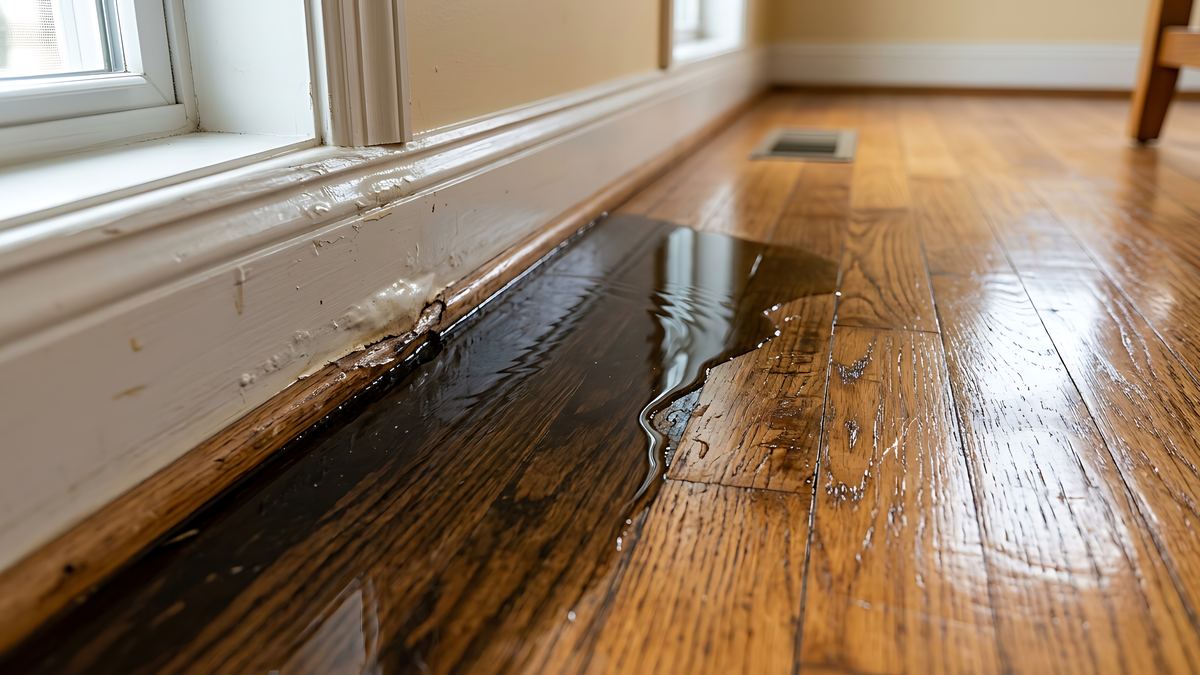
Home insurance looks simple until there is damage. That is when the owner discovers that the policy has twenty pages of general terms and conditions, that the compensation is lower than expected because of "underinsurance", or that the theft is not covered because "there are no signs of forced entry". In our practice, many disputes with insurers are not about whether an insured event happened, but about how the contract was concluded and what was done in the first days after the damage.
In this article we explain what home property insurance usually covers for flood, fire and theft, what the deadlines are under the Insurance Code (Кодекс за застраховането, КЗ), how compensation is calculated in cases of underinsurance and what you can do if the insurer refuses to pay or offers an unfairly low amount.
What does home insurance usually cover?
The scope of cover is determined by the specific contract and the insurer's general terms and conditions, not by the law. Most home policies consist of basic cover plus additional risks. Typically included are:
- fire, lightning, explosion, implosion and the fall of an aircraft;
- natural disasters: storm, hail, torrential rain, flood and sometimes earthquake (often as a separate risk for an additional premium);
- burst pipes and leaks: water escaping from pipes, radiators, water heaters and appliances, including from a neighbouring flat;
- theft by burglary and robbery, as well as vandalism;
- third-party liability, for example when a leak from your home floods your neighbours.
Distinguish between insurance of the building (structure, walls, floors, installations) and insurance of household contents (furniture, appliances, clothing). If only the building is insured, damaged appliances will not be compensated. By law, a contract covering a collection of items also covers the items of the persons living with you at the time of the event (Art. 401(2) of the Insurance Code).
Actual value or replacement value?
How much you receive depends on the value chosen. The Insurance Code gives two definitions (Art. 400):
- actual value is the amount for which other property of the same kind and quality can be bought, i.e. taking wear and tear into account;
- replacement value is the amount needed to replace it with new property of the same kind and quality, including delivery, construction and installation, without depreciation.
Unless the contract provides otherwise, the sum insured is deemed to have been set at actual value (Art. 400(3) of the Insurance Code). That is why, for damage to ten-year-old parquet flooring or an old kitchen, compensation at actual value may be considerably lower than the cost of a new renovation.
The parties may also agree an agreed insured value, a fixed amount that cannot be disputed when damage occurs (Art. 387 of the Insurance Code). In that case the underinsurance rules do not apply.
Underinsurance and overinsurance: how is compensation calculated?
Underinsurance occurs when the sum insured is lower than the actual (or, as the case may be, replacement) value of the property. A typical example: a flat insured years ago for a sum that today covers half of its real value.
Here the law contains an important nuance that is often overlooked. Under Art. 389(1) of the Insurance Code, in the case of underinsurance the insurer compensates the full amount of the damage up to the sum insured. A proportional reduction applies only if the contract contains an express proportional compensation clause (Art. 389(2)). In that case, compensation is determined according to the ratio between the sum insured and the actual or replacement value.
| Example | Without a proportionality clause (Art. 389(1)) | With a proportionality clause (Art. 389(2)) |
|---|---|---|
| Value of the property | EUR 200,000 | EUR 200,000 |
| Sum insured | EUR 100,000 | EUR 100,000 |
| Flood damage | EUR 20,000 | EUR 20,000 |
| Compensation | EUR 20,000 | EUR 10,000 (20,000 × 100,000 / 200,000) |
If your claim is refused or reduced because of underinsurance, first check whether the general terms and conditions really contain a proportional compensation clause and how the value of the property was determined.
Overinsurance is the opposite situation: the sum insured is higher than the value of the property. The contract remains valid, but either party may ask for the sum to be reduced, and the insurer refunds the corresponding part of the premium, unless the insured acted in bad faith (Art. 388 of the Insurance Code). When damage occurs, a higher sum does not mean higher compensation: only the damage actually suffered is payable (Art. 386(2)).
What to do after a flood, fire or theft: step by step
- Limit the damage. Turn off the water, switch off the electricity, secure the home. The insured is required to make every effort to reduce the damage, and if they fail to do so the insurer may reduce the compensation (Art. 395(6) of the Insurance Code). The costs of limiting the damage are compensated separately (Art. 396).
- Notify the competent authorities. For theft, the police; for fire, the fire service; for a leak from a neighbour, the building manager or the manager of the condominium. The documents they issue are key evidence.
- Notify the insurer in time. By law, the deadline is 7 working days from when you became aware of the event, unless the contract provides for another appropriate period, which may not be shorter than 3 working days, or, for theft and robbery, shorter than 24 hours (Art. 403 of the Insurance Code). The specific deadline is in the general terms and conditions: check it immediately.
- Document everything. Photos and video before cleaning up, a list of damaged items, receipts, warranty cards. Do not throw away damaged items before the inspection.
- Allow an inspection. The insured is required to allow an inspection and to provide the documents directly related to the event and the amount of the damage (Art. 395(7) of the Insurance Code).
- Submit a written claim. The claim is submitted in writing, with full bank account details (Art. 380(1) of the Insurance Code). Keep the reference number: the insurer is required to record the date of the claim and of every document submitted (Art. 106(2)).
From our practice: Most refusals in theft cases are due to the absence of signs of forced entry. If the thief got in through an unlocked window or with a key, many policies do not cover the theft. So when you take out the policy, read how the general terms and conditions define "theft by burglary", and after a theft ask the police to describe the signs of forced entry expressly in their report.
How quickly must the insurer decide?
For home property insurance (the classes "Fire and natural disasters" and "Other damage to property") and for general third-party liability, the insurer must decide within 15 working days of all the evidence being submitted (Art. 108(1) of the Insurance Code). Within that period it must either determine and pay the compensation or give a reasoned refusal.
| Situation | Deadline | Legal basis |
|---|---|---|
| Notifying the damage (unless the contract provides otherwise) | 7 working days | Art. 403(1) of the Insurance Code |
| Insurer's request for additional evidence | within 45 days of the documents submitted | Art. 106(4) of the Insurance Code |
| Decision once all evidence is submitted | within 15 working days | Art. 108(1) of the Insurance Code |
| Decision if not all evidence has been submitted | within 6 months of the claim | Art. 108(2) of the Insurance Code |
| Reasons given on a complaint about the amount | 7 days | Art. 108(6) of the Insurance Code |
| Limitation period for a claim for compensation | 3 years from the event | Art. 378(1) of the Insurance Code |
Once the deadline for payment has passed, the insurer owes statutory default interest (Art. 409 of the Insurance Code). The insurer may not require evidence that you are legally unable to obtain or that is clearly irrelevant to the claim (Art. 106(5)).
Common grounds for refusal and when they are unlawful
The insurer may refuse payment only in the cases exhaustively listed by law (Art. 408(1) of the Insurance Code): intentionally causing the event, a material failure to perform an obligation under the contract that led to the event, and other cases provided for by law. In practice, the most common reasons given are:
- An exclusion in the general terms and conditions. For example, damage from gradual seepage of damp, from construction defects or from rain that came in through a window left open. The exclusion must be clearly worded and must have formed part of the contract.
- Failure to notify in time. The refusal is lawful only if the delay was intended to prevent the insurer from establishing the circumstances or made that impossible (Art. 403(4) of the Insurance Code). A delay of a day or two in itself is usually not enough.
- Burglary not proved. This is a factual dispute and is resolved with the police report, photographs and witnesses.
- Wear and tear and lack of maintenance. A refusal because installations were not maintained is permissible only if the contract expressly provides for it as a ground for refusal. If not, the insurer may only reduce the compensation in line with the seriousness of the failure, and if there is no causal link with the event, it owes full compensation (Art. 395(4) and (5) of the Insurance Code).
- Inaccurately declared circumstances. If you concealed a material circumstance when concluding the contract, a refusal is possible only if that circumstance contributed to the event occurring (Art. 363(4) of the Insurance Code).
A leak from a neighbour: who pays?
When your home is flooded from the flat above, you have two options. If you have your own home insurance, you make a claim against your insurer. Once it has paid, it is subrogated to your rights against the person who caused the damage (Art. 410 of the Insurance Code) and itself recovers the amount from the neighbour or from the neighbour's liability insurer. This is usually the quicker route for you.
If you have no insurance, the claim is made directly against the neighbour and, if the neighbour has insurance with third-party liability cover, also against their insurer. Whichever route you take, on the very first day draw up a report with the building manager and the neighbour recording the cause of the leak, and photograph its source.
Tenant, buyer, heir: special situations
Tenant and landlord. Building insurance is usually taken out by the owner, while the tenant can insure their own belongings and their liability towards the landlord and the neighbours. It is best to settle expressly who bears these costs and who is liable for damage to the property; see the key clauses in a lease agreement.
Buying with a mortgage. Banks usually require the property to be insured, with the rights under the policy assigned to the bank as security. Check that the sum insured reflects the real value and not just the amount of the loan, otherwise you risk underinsurance. Insurance is part of the wider legal due diligence before buying a property.
Inherited property. When the policyholder dies, notify the insurer and check in the general terms and conditions whether and how the contract continues for the benefit of the heirs. The heirs also need to transfer the utility accounts, to avoid disputes in the event of a leak or breakdown; we describe how this is done in our article on utility accounts for electricity, water and heating after a death.
Bank card stolen in a burglary. If a card was also stolen in the burglary and then used for payments, the bank's liability is governed separately from the insurance; see what to do about unauthorised card or account transactions.
What to do if the insurer refuses
- Ask for the written reasons and the full claim file, including the expert assessment and the inspection photos. In a dispute about the amount, the insurer is required to give you a written factual and legal justification within 7 days (Art. 108(6) of the Insurance Code).
- Submit a written objection to the insurer, citing the specific provisions of the contract and of the Insurance Code and providing additional evidence.
- Complain to the Financial Supervision Commission (Комисия за финансов надзор, КФН). The FSC can carry out an inspection and impose measures and sanctions, but it cannot order the insurer to pay compensation; that is a matter for the court.
- The sectoral conciliation committee at the Consumer Protection Commission (Комисия за защита на потребителите) examines disputes in the field of insurance. The procedure is free, but its decision is not binding on the insurer.
- A claim in court. A claim for compensation under an insurance contract is subject to a three-year limitation period from the date of the insured event (Art. 378(1) of the Insurance Code). Do not wait indefinitely for negotiations to end.
To assess your prospects and choose the right route, a consultation with an insurance lawyer in Sofia is useful.
Frequently Asked Questions (FAQ)
How quickly must the insurer pay compensation for a home claim?
The insurer must decide within 15 working days of all the evidence being submitted, either paying the compensation or giving a reasoned refusal (Art. 108(1) of the Insurance Code). If you have not submitted all the evidence, the final deadline is 6 months from the claim. Once the deadline has passed, statutory interest is due.
What is underinsurance?
Underinsurance occurs when the sum insured is lower than the actual or replacement value of the property. By law, the full amount of the damage is then compensated up to the sum insured, and a proportional reduction applies only if the contract expressly provides for it (Art. 389 of the Insurance Code).
How long do I have to notify the insurer of damage?
The deadline is set in the contract. If the contract does not provide otherwise, it is 7 working days from when you became aware of the damage. The contract may not set a deadline shorter than 3 working days or, for theft, shorter than 24 hours (Art. 403 of the Insurance Code).
Does home insurance cover flooding from the neighbours?
Usually yes, if the policy includes a "burst pipes" or "escape of water" risk. Your insurer pays and then recovers the amount from the neighbour or the neighbour's insurer (Art. 410 of the Insurance Code).
Can the insurer refuse because of late notification?
Only if the delay was intended to prevent the circumstances from being established or made that impossible. If the insurer learned of the event in some other way before being notified, it cannot refuse on that ground (Art. 403(4) and (5) of the Insurance Code).
Who insures a rented home: the tenant or the landlord?
Usually the owner insures the building and the tenant insures their own belongings and their liability. It is best to settle the allocation of risk in the contract; see the key clauses in a lease agreement.
Is home insurance compulsory with a mortgage?
The law does not require it as such, but banks almost always require it under the loan agreement. Check the sum insured and the terms before you sign; read more in our article on legal due diligence before buying a property.
Does home insurance cover bank card fraud?
A standard policy does not usually cover card fraud, although some insurers offer it as an additional risk. You have separate protection against the bank under the Payment Services and Payment Systems Act; see our article on unauthorised card transactions.
Can the FSC order the insurer to pay me?
No. The Financial Supervision Commission can inspect the insurer and impose sanctions on it, but it does not decide civil disputes or award compensation. To compel payment you need a court judgment or a settlement.
What should I do if the damage was caused by the municipality?
If the damage was caused by municipal property, such as a fallen tree or a fault in a municipal network, your insurer may pay and then recover the amount from the municipality. If you have no insurance, the claim is made directly against the municipality. To see how the municipality is held liable, read our article on compensation from the municipality for a stray dog bite.
How long do I have to sue the insurer?
Rights under property insurance are subject to a three-year limitation period from the date of the insured event (Art. 378(1) of the Insurance Code). The limitation period is suspended from the submission of the claim until the insurer decides on it, or until the deadline for its decision expires (Art. 378(9) of the Insurance Code). Subsequent negotiations, however, do not in themselves usually stop it running, so keep an eye on the deadline.
How can we help you?
Mechkova & Dimitrova Law Firm represents clients in disputes with insurers under property insurance: reviewing the policy and the general terms and conditions, objections to refusals or understated compensation, negotiations and court cases. We also help when you take out a policy, so as to avoid underinsurance and unclear exclusions.
Every dispute depends on the specific contract and the evidence, so we cannot promise an outcome before we have reviewed them. Contact us to have your policy or refusal reviewed, and have the contract, the general terms and conditions and your correspondence with the insurer ready.