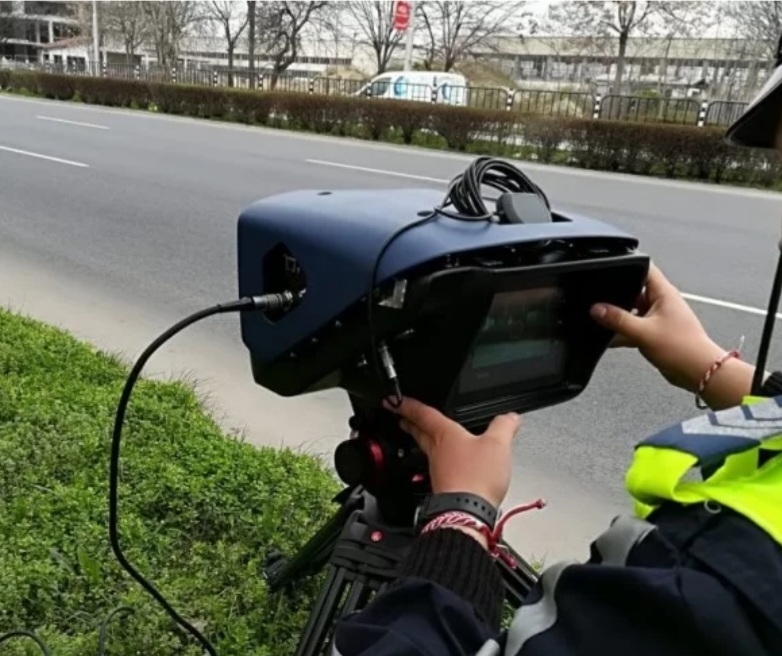
The statement of offence and the penalty decision are the two documents with which the state and the municipalities impose fines under the Administrative Violations and Sanctions Act (ЗАНН). The statement establishing an administrative offence (АУАН) only describes the offence. The penalty decision (наказателно постановление, НП) imposes the penalty. Short deadlines run between the two documents and after the second one. If you miss them, the sanction stands, however well-founded your objections may be.
This guide explains the whole route: from the drawing up of the statement, through the objection and the penalty decision, to the appeal before the district court and the cassation appeal. You will find a table of deadlines, the most common grounds for annulment, the rules on costs and links to our detailed articles on electronic fines, municipal fines and penalty points.
What is a statement of offence and what is a penalty decision
Administrative penalty proceedings are opened by drawing up a statement of offence (Art. 36(1) of the Administrative Violations and Sanctions Act). As a rule, no case file is opened without a statement. The procedure has two stages:
- Establishing the offence. An inspecting officer (a police officer, a municipal inspector, an official of the National Revenue Agency, of the Labour Inspectorate, etc.) draws up the statement of offence. The officer does not impose a fine.
- Penalising. The penalising authority (a minister, a mayor, a director or a person authorised by them) examines the file and issues a penalty decision imposing a fine or another penalty. It may also terminate the proceedings or issue a warning in a minor case.
There are also exceptions in which no statement of offence is drawn up. These are the on-the-spot fine (фиш) that a police officer issues if you agree with the offence (Art. 186 of the Road Traffic Act, ЗДвП), and the electronic fine from a camera (Art. 189(4) of the Road Traffic Act). They have their own rules, which we describe in our guide to appealing a traffic camera fine.
What a statement of offence must contain
The law lists the mandatory contents of the statement (Art. 42(1) of the Administrative Violations and Sanctions Act). They include:
- the names and position of the officer who drew it up and the date it was drawn up;
- the date and place of the offence;
- a description of the offence and the circumstances in which it was committed;
- the statutory provisions that have been breached;
- the details of the offender and of the witnesses;
- the explanations or objections of the offender, if any were made.
The statement is drawn up in the presence of the offender and of witnesses (Art. 40(1)). If the offender is known but cannot be found or does not appear after being invited, the statement is drawn up in their absence (Art. 40(2)). The statement is signed by the officer who drew it up and by at least one witness, and is presented to the offender (Art. 43(1)). If you refuse to sign, this is certified by the signature of a witness (Art. 43(2)).
From our practice: Your signature on the statement does not mean that you admit the offence. It is better to sign, write briefly "I have objections and will submit them in writing" and take a copy. Refusing to sign does not stop the proceedings; it only takes away your chance to record an objection in the statement itself.
When you sign, you receive a copy of the statement and a written notice that you may propose a settlement within 14 days (Art. 43(5) of the Administrative Violations and Sanctions Act).
Deadlines for the penalising authority: when it is too late to penalise you
The state has deadlines too. A missed deadline is one of the strongest grounds for annulment:
- 3 months and 1 year. No proceedings are opened if the statement was not drawn up within 3 months of the offender being identified, or if 1 year has passed since the offence was committed (Art. 34(1) of the Administrative Violations and Sanctions Act). For some offences, for example customs, tax, environmental and currency offences, the one-year period is two years.
- 6 months for the penalty decision. The proceedings are terminated if the penalty decision is not issued within 6 months of the statement being drawn up (Art. 34(3) of the Administrative Violations and Sanctions Act).
- 1 month to decide. The penalising authority must rule within one month of receiving the file (Art. 52(1) of the Administrative Violations and Sanctions Act).
- Absolute limitation. The courts also apply an absolute limitation period for prosecution by reference to the Criminal Code. It requires a specific calculation.
Special laws sometimes provide for different deadlines, so always check the law under which the statement was drawn up.
What to do after you receive a statement of offence
Written objection within 7 days
In addition to the objections in the statement itself, you can file written objections within 7 days of signing it (Art. 44(1) of the Administrative Violations and Sanctions Act). State your evidence: photographs, recordings, witnesses, documents. If you point to documentary or physical evidence, the penalising authority must collect it of its own motion, as far as possible (Art. 44(2)). A well-written objection sometimes stops the proceedings at this stage. Even if it does not, it records your version for the future court case.
Settlement with the penalising authority
Since 2021 the proceedings can end with a settlement (Art. 58g of the Administrative Violations and Sanctions Act). The offender may propose one within 14 days of service of the statement. A settlement is not allowed for a repeated offence, for an offence committed within one year of a previous penalty or warning for an offence of the same kind, where the act is a crime, or where the admission is not supported by the evidence (Art. 58g(2)). For offences under the Road Traffic Act, a settlement is not allowed at all (Art. 189z of the Road Traffic Act).
Minor case
In a minor case, the penalising authority does not impose a penalty but gives the offender a written warning (Art. 28 of the Administrative Violations and Sanctions Act). If you commit another minor offence of the same kind within one year, you will be penalised. Until 2025 the Road Traffic Act excluded the minor case for traffic offences. Decision No. 4 of 2025 of the Constitutional Court removed this prohibition. Whether a case is minor is assessed on its specific facts, and some special laws continue to restrict this option.
The penalty decision: what it contains and what your options are
Besides the details of the authority and the offender, the penalty decision must contain a description of the offence, its date and place, the evidence, the provisions breached, the type and amount of the penalty, the circumstances taken into account in setting it, and within what deadline and before which court it can be appealed (Art. 57(1) of the Administrative Violations and Sanctions Act). Compare it carefully with the statement of offence: discrepancies between the two documents are a frequent ground for annulment.
After the penalty decision is served on you, you have two routes:
- Payment with a 20% discount. If you do not wish to appeal, you can pay 80% of the fine within 14 days of service, unless a special law provides for a different reduced amount (Art. 79b(1) of the Administrative Violations and Sanctions Act). The penalty decision becomes final as regards the fine on the date of payment. If you have filed an appeal and pay within this period, the appeal proceedings are terminated in that part (Art. 79b(2)). Where the penalty decision also imposes another penalty, for example disqualification from driving, after payment it can be appealed only as regards that other penalty and any confiscated items (Art. 79b(3)). We explain when the discount pays off and when an appeal is the better choice in our article on paying a fine with the discount or appealing.
- An appeal to the district court. We describe it below.
From our practice: Paying is not "neutral". For traffic offences, a final penalty decision leads to the deduction of penalty points, and a repeated offence leads to a heavier penalty. You will find more on the consequences for your driving licence in our article penalty points and driving licence suspension in Bulgaria.
How to appeal a penalty decision step by step
- Calculate the deadline. The appeal is filed within 14 days of service of the penalty decision (Art. 59(2) of the Administrative Violations and Sanctions Act). The period is counted in days, and if it is missed the appeal is not examined. Use our legal deadline calculator to avoid mistakes.
- Prepare a written appeal. Identify the penalty decision, the grounds on which it is unlawful and all the evidence you rely on (Art. 60(1) of the Administrative Violations and Sanctions Act). Ask for witnesses to be heard, if there are any.
- File it through the authority that issued the penalty decision. The appeal is not filed directly with the court. The penalising authority must send it, together with the file, to the district court within 7 days (Art. 60(2) of the Administrative Violations and Sanctions Act).
- Competent court. The case is heard by the district court for the area where the offence was committed or completed. For offences committed abroad, the Sofia District Court has jurisdiction (Art. 59(1) of the Administrative Violations and Sanctions Act).
- Court hearing. The court questions the officer who drew up the statement and the witnesses, examines the documents and rules with a decision. No state fee is payable for the appeal.
- Cassation appeal. The district court's decision is subject to cassation appeal before the administrative court (Art. 63v of the Administrative Violations and Sanctions Act) under the procedure of the Administrative Procedure Code (АПК). The deadline is 14 days from notification that the decision has been delivered (Art. 211(1) of the Administrative Procedure Code).
The court may annul, amend or uphold the penalty decision. It may also annul it in part, or annul it on the basis that the case is minor and warn the offender (Art. 63(2), (4) and (5) of the Administrative Violations and Sanctions Act). Annulment is ordered where the substantive law has been applied incorrectly or there has been a material breach of the procedural rules (Art. 63(3)).
Table: deadlines under the Administrative Violations and Sanctions Act
| Action | Deadline | Legal basis | Before whom |
|---|---|---|---|
| Written objection against the statement of offence | 7 days from signing | Art. 44(1) of the Administrative Violations and Sanctions Act | The penalising authority |
| Proposal for a settlement | 14 days from service of the statement | Art. 58g(1) of the Administrative Violations and Sanctions Act | The penalising authority |
| Ruling by the penalising authority | 1 month from receipt of the file | Art. 52(1) of the Administrative Violations and Sanctions Act | - |
| Issuing the penalty decision | 6 months from the statement | Art. 34(3) of the Administrative Violations and Sanctions Act | - |
| Payment of 80% of the fine | 14 days from service of the penalty decision | Art. 79b of the Administrative Violations and Sanctions Act | No court |
| Appeal against the penalty decision | 14 days from service | Art. 59(2) of the Administrative Violations and Sanctions Act | District court (through the authority) |
| Cassation appeal | 14 days from notification of the decision | Art. 63v of the Administrative Violations and Sanctions Act, Art. 211 of the Administrative Procedure Code | Administrative court |
The most common grounds for annulling a penalty decision
In our practice, penalty decisions are most often overturned because of:
- an incomplete or unclear description of the offence, the place or the time, which does not allow the offender to understand what they are accused of;
- a discrepancy between the statement of offence and the penalty decision in the facts or in the legal classification;
- a wrong provision cited, or a penalty that does not correspond to the sanctioning provision;
- expired deadlines under Art. 34 of the Administrative Violations and Sanctions Act;
- an officer or penalising authority lacking competence, for example where there is no order granting the authority;
- lack of evidence, especially where the offence is established only by the word of the officer who drew up the statement against a firm denial and other evidence;
- a minor case that the authority failed to consider.
Not every omission leads to annulment. The law allows a penalty decision to be issued even where the statement contains an irregularity, if the offence, the offender and their guilt have been established beyond doubt (Art. 53(2) of the Administrative Violations and Sanctions Act). Assessing whether an error is material therefore takes experience.
Costs: who pays the lawyer
In proceedings before the district and the administrative court, the parties are entitled to costs under the Administrative Procedure Code (Art. 63d(1) of the Administrative Violations and Sanctions Act). If the penalty decision is annulled, you can ask the court to order the authority to reimburse the lawyer's fee you paid. To do so, you must expressly request it and prove the payment.
From 2026 the rule on reducing the fee has changed. The court may award a lower amount only on a reasoned objection of excessiveness from the other party. In its assessment it applies the criteria of the Bar Act, but it cannot award less than the fee paid to the opposing party's lawyer (Art. 63d(2) of the Administrative Violations and Sanctions Act, as amended, State Gazette No. 17 of 2026). If you lose, you may owe the authority a fee for its in-house legal counsel. It is set by the court, but cannot exceed the maximum under the Legal Aid Act (Art. 63d(4) and (5)).
The choice of defence lawyer matters. See our questions to ask before choosing a lawyer.
On-the-spot fines, electronic fines, municipal sanctions and coercive measures
Not every document connected with a fine follows the route statement of offence → penalty decision:
- An electronic fine is issued without a statement and is appealed within 14 days of receipt. You can also file an objection within 7 days with the director of the relevant structure of the Ministry of Interior (МВР) (Art. 189(6) and (8) of the Road Traffic Act). Details in our article on appealing a traffic camera fine.
- Fines under municipal ordinances (noise, waste, public order) go through a statement of offence and a penalty decision. Towing (the "паяк") and wheel clamping, however, are coercive administrative measures, challenged under the Administrative Procedure Code before the administrative court. We explain the differences in our article municipal fines, towing and clamping.
- Coercive measures under the Road Traffic Act, such as the temporary withdrawal of a driving licence, are imposed by an order. It is appealed before the administrative court within 14 days, the court's decision is final, and the appeal does not suspend enforcement (Art. 172(5) and (6) of the Road Traffic Act).
Limitation of enforcement and compulsory collection
A final penalty decision must be enforced within a certain period. The fine is not enforced if 2 years have passed since the act imposing it became final (Art. 82(1)(a) and (2) of the Administrative Violations and Sanctions Act). The limitation period is interrupted by every enforcement step. Regardless of this, the penalty is not enforced if a period exceeding the period under paragraph 1 by one half, i.e. 3 years, has passed (Art. 82(3)). There is an exception where enforcement proceedings to collect the fine were opened within the two-year period (Art. 82(4)).
An unpaid fine is collected compulsorily as a public claim. The mechanism of compulsory enforcement is similar to that for any debtor. You can learn more in our article on collecting a claim, from demand letter to bailiff.
Compensation if the penalty decision is annulled
Annulment of the penalty decision does not always cover all your losses. The lawyer's fee is reimbursed as costs in the case itself. If the unlawful penalty or measure has also caused you other damage, for example lost income or non-pecuniary damage, you can bring a claim against the state or the municipality. How this is done, who the defendant is and what the deadlines are, we explain in our article how to sue the state or the municipality for damages under the State and Municipalities Liability for Damage Act.
Frequently Asked Questions (FAQ)
What is the difference between a statement of offence and a penalty decision?
The statement of offence (АУАН) only establishes the offence and does not impose a fine. The penalty decision is issued after the statement by the penalising authority, and it imposes the penalty. Against the statement you file an objection within 7 days, and against the penalty decision an appeal to the district court within 14 days.
How long do I have to appeal a penalty decision?
14 days from its service (Art. 59(2) of the Administrative Violations and Sanctions Act). The appeal is filed through the authority that issued the decision, which sends it to the district court within 7 days. A missed deadline means that the penalty decision becomes final.
Do I have to sign the statement of offence?
No, but refusing does not stop the proceedings, because the statement is then signed by a witness. It is better to sign, write that you have objections and file a written objection within the 7-day period.
If I pay 80% of the fine, can I appeal afterwards?
Not as regards the fine. By paying within the 14-day period, the penalty decision becomes final in that part, and any appeal filed is terminated (Art. 79b of the Administrative Violations and Sanctions Act). For traffic offences, payment also leads to the deduction of penalty points, as we explain in our article on penalty points and the driving licence.
What happens if the penalty decision was issued more than 6 months after the statement?
The proceedings should have been terminated (Art. 34(3) of the Administrative Violations and Sanctions Act). This is a ground for the court to annul the penalty decision. Keep the documents showing the dates of the statement and of the penalty decision.
Is a state fee payable for an appeal against a penalty decision?
No state fee is payable for an appeal against a penalty decision before the district court. Costs may arise for a lawyer and, if you lose, for the authority's in-house legal counsel fee.
Will I get my lawyer's fees back if I win?
Yes, if you expressly request them and prove the payment (Art. 63d of the Administrative Violations and Sanctions Act). From 2026 the court may reduce the fee only on a reasoned objection from the other party. For damage beyond the costs, you can bring a separate claim, as we explain in our article the State and Municipalities Liability for Damage Act in plain language.
Can I appeal an electronic fine in the same way?
An electronic fine is also appealed before the district court under the Administrative Violations and Sanctions Act within 14 days, but it is issued without a statement of offence and has its own particular features, such as the 7-day objection and the declaration naming another driver. Details in our guide to appealing an electronic fine.
How long can the state collect an unpaid fine?
The fine is not enforced after 2 years from the penalty decision becoming final. If the limitation period has been interrupted, the final deadline is 3 years, unless enforcement proceedings were opened within the two-year period (Art. 82 of the Administrative Violations and Sanctions Act).
What is a minor case and does it apply to traffic offences?
It is an offence of lower public danger than usual cases of the same kind. A written warning is then issued instead of a fine (Art. 28 of the Administrative Violations and Sanctions Act). Following Decision No. 4 of 2025 of the Constitutional Court, this option also applies to offences under the Road Traffic Act.
How do I appeal a fine from the municipality?
A fine under a municipal ordinance is imposed with a statement of offence and a penalty decision and is appealed in the same way before the district court. Towing (the "паяк") and wheel clamping are challenged under the Administrative Procedure Code before the administrative court. We describe the differences in our article on municipal fines, towing and clamping.
How can we help you?
Administrative penalty proceedings are short and formal: 7 days for an objection, 14 days for an appeal and strict requirements as to the content of the documents. An error in the statement of offence can be decisive in court, but only if it is spotted and raised in time. As lawyers for appeals against penalty decisions, we will check the statement and the penalty decision, the deadlines for the penalising authority and the evidence.
The team at Mechkova & Dimitrova Law Firm will prepare the objection or the appeal and represent you before the district and the administrative court. The information in this article is general and does not replace a specific consultation. Contact us while the deadline for appeal is still running.